
Services
Tank Restoration & Lining
Crack rectification, structural reinforcement and lining systems that extend the service life of existing assets.
Restore and reline existing tanks instead of replacing them
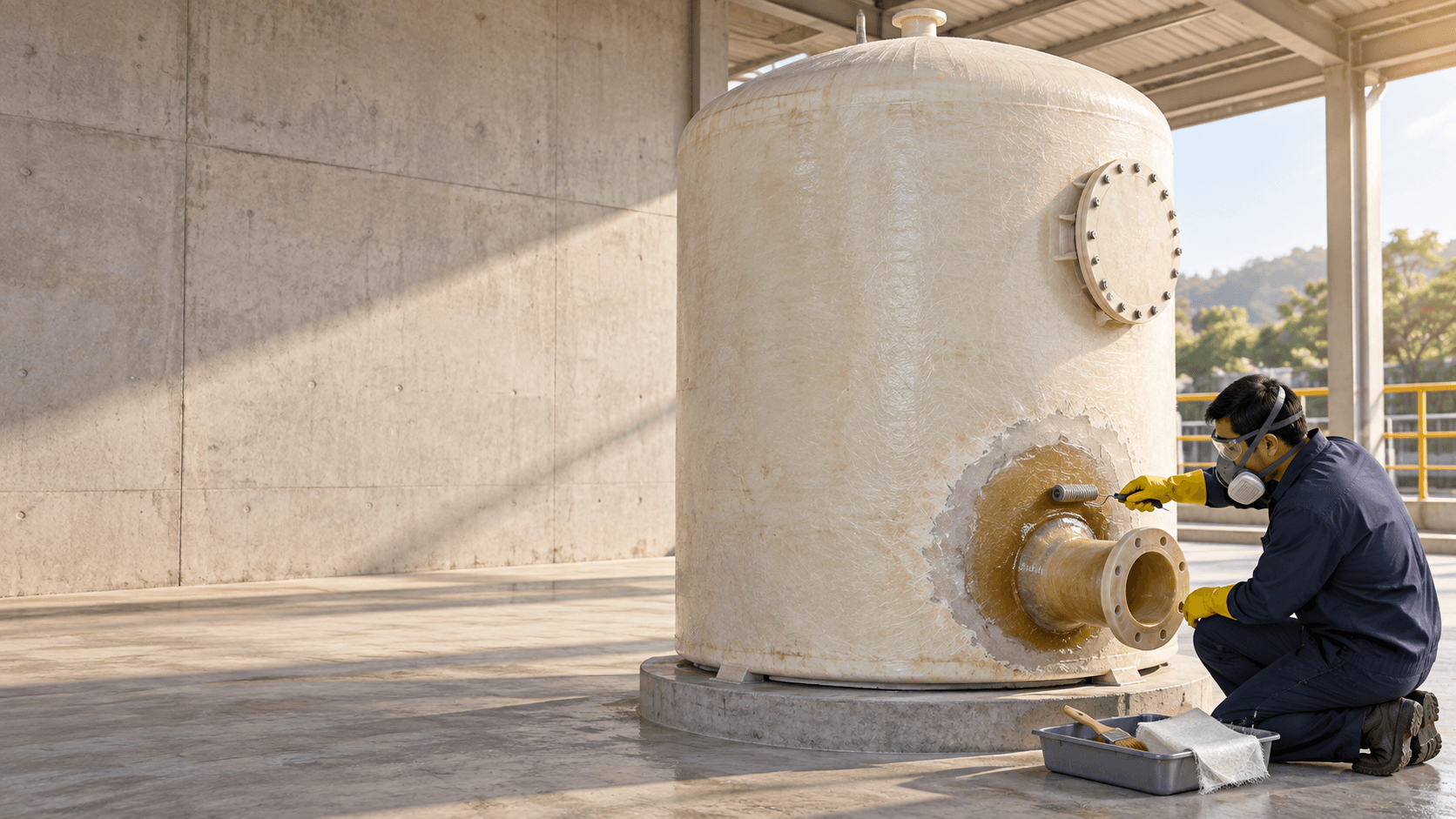
Falcon inspects the tank first and finds the cause of the damage, then restores, rehabilitates or relines it to suit the stored product and the substrate — FRP, steel or concrete.
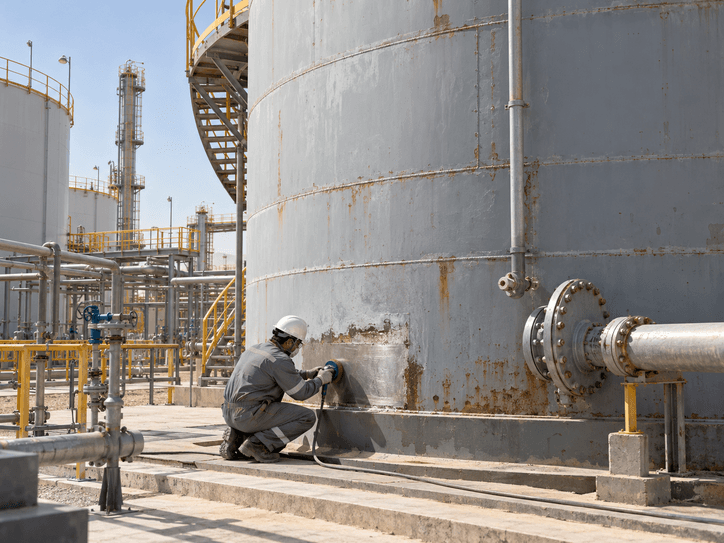
FRP, steel and polyethylene tanks
Tank Restoration
Crack repair, leak rectification, delamination, nozzle and manhole repair to return damaged tanks to service.
View Tank Restoration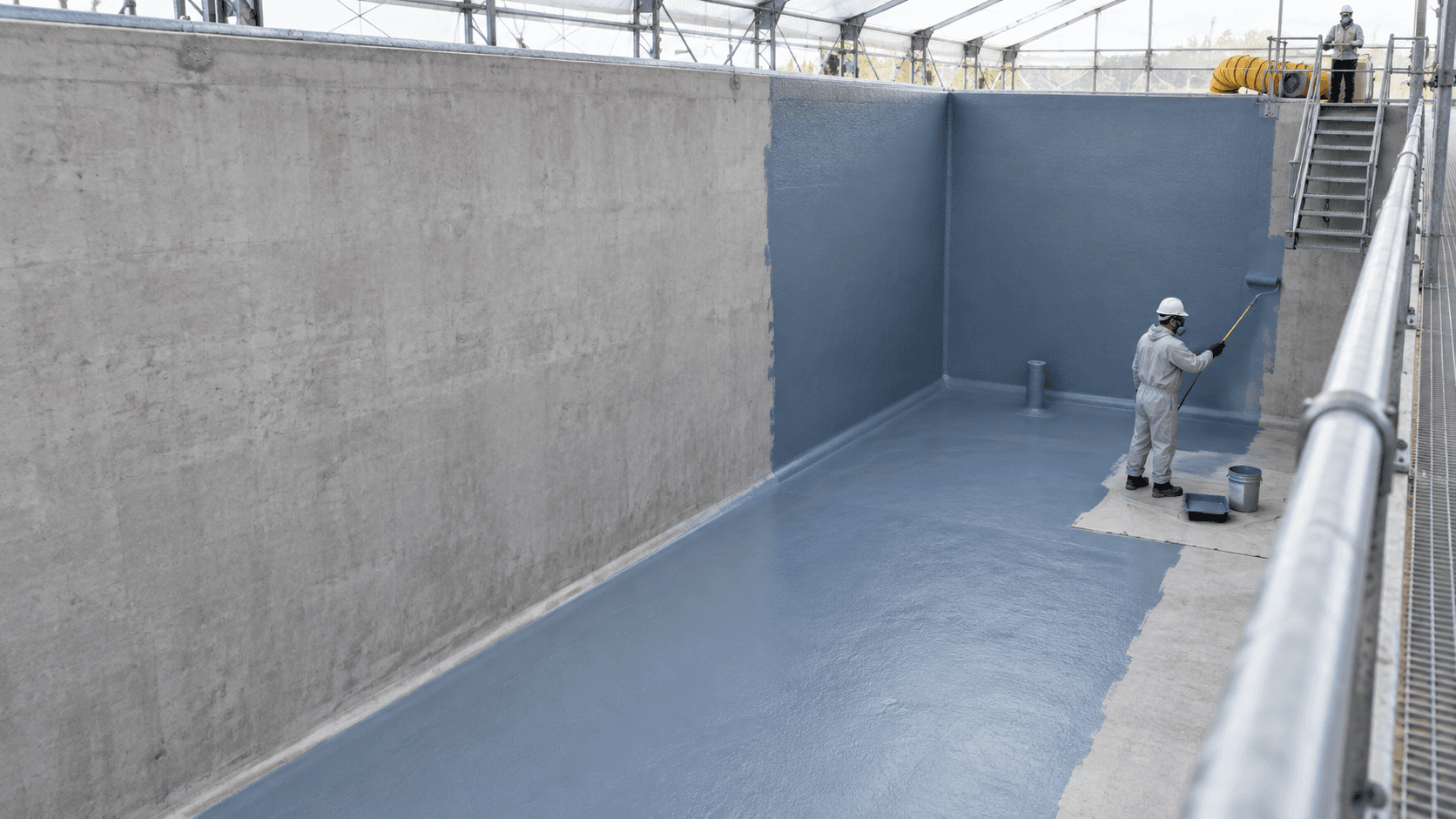
Ageing and concrete tanks
Tank Rehabilitation
Structural reinforcement and crack treatment for ageing tanks and concrete structures.
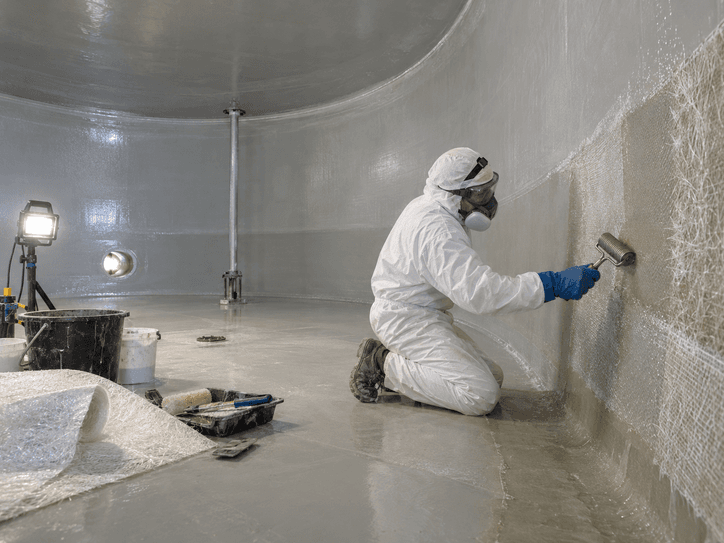
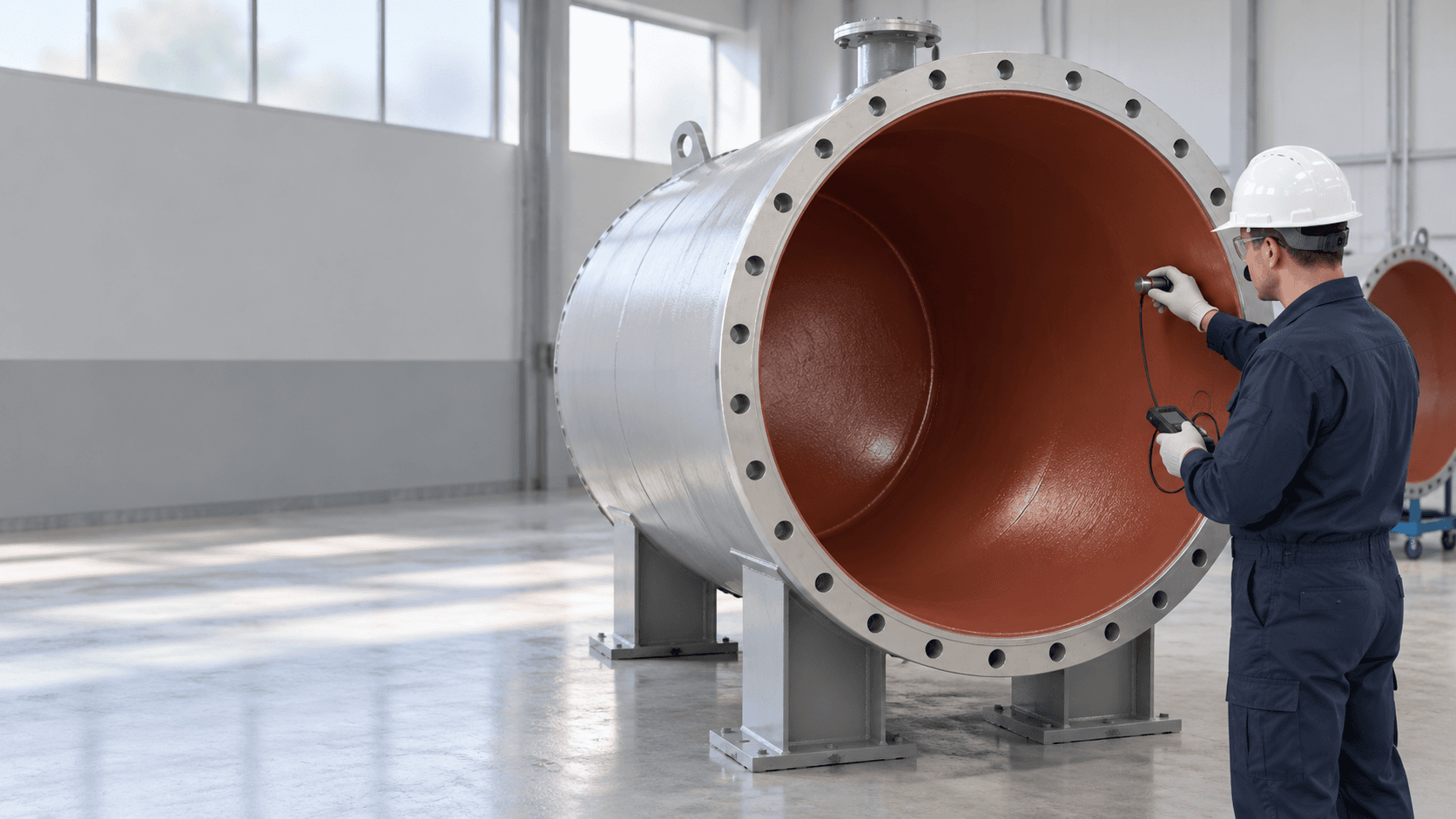
Lining system
FRP / GRP Lining
A new fibreglass barrier inside the existing tank shell.
Lining system
Chemical-Resistant Lining
Lining selected for the stored chemical, concentration and temperature.
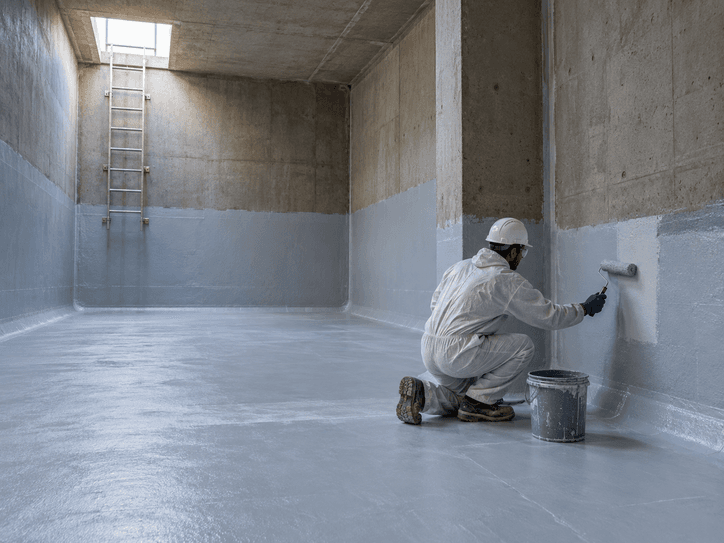
Water tanks and reservoirs
Waterproof Lining
Stops leaks and seepage in water tanks and reservoirs.
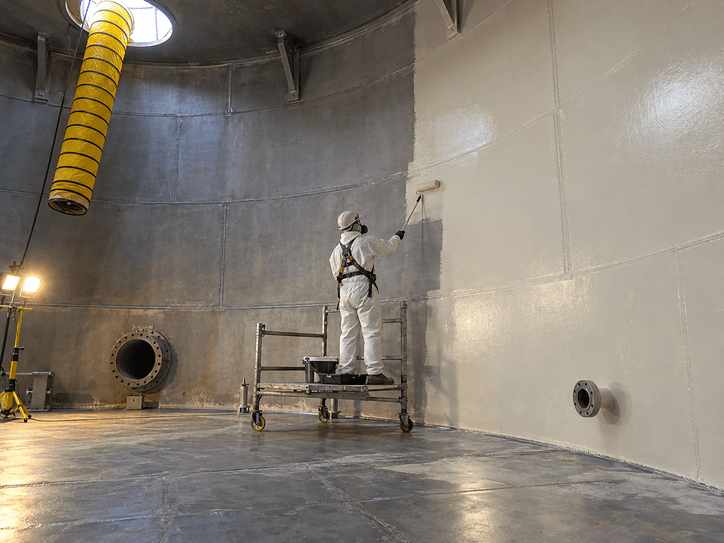
Steel tanks
Steel Tank Lining
Internal lining that protects steel shells from corrosion.
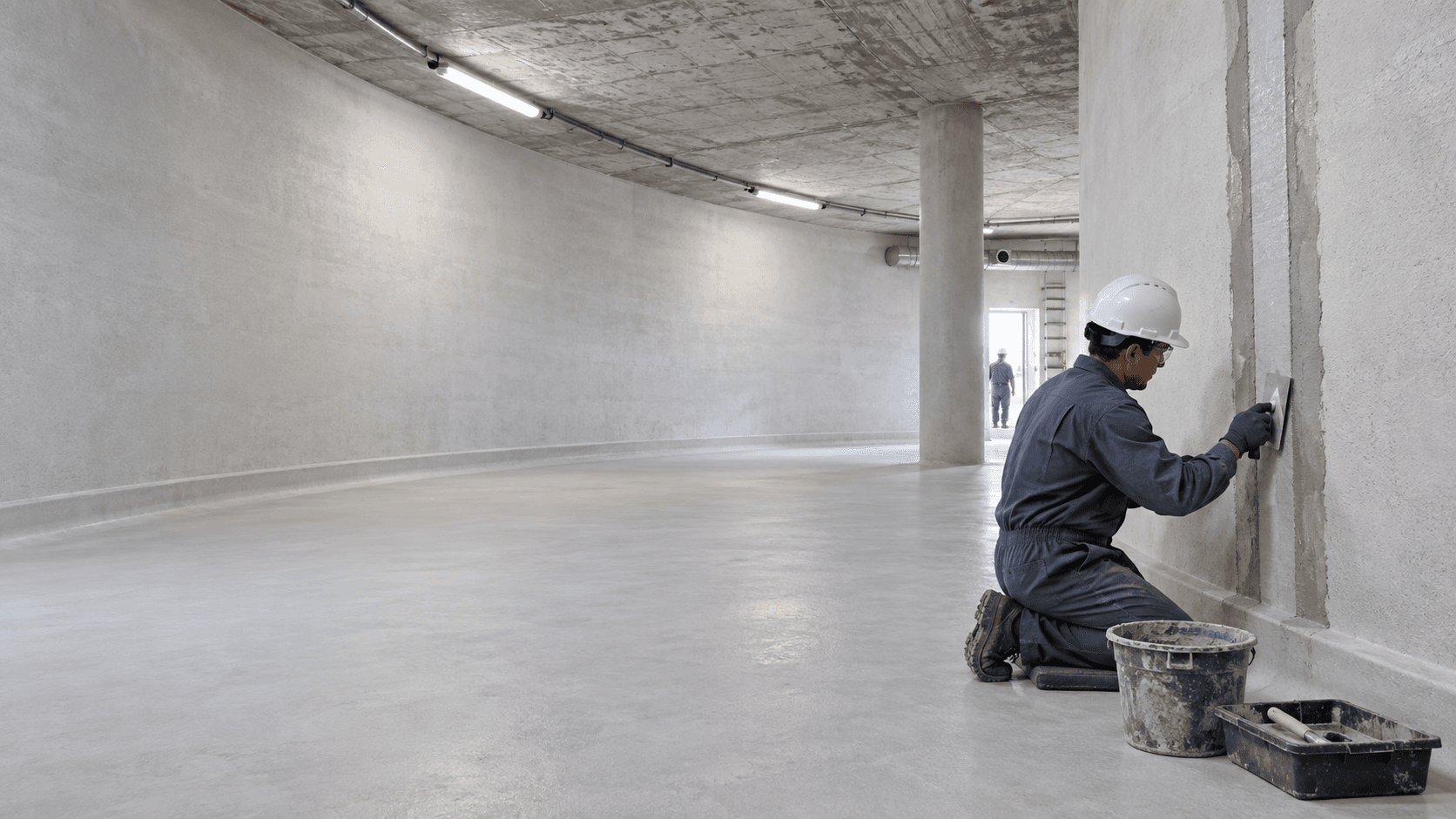
Concrete tanks
Concrete Tank Lining
Crack treatment, lining and waterproofing for concrete tanks and reservoirs.
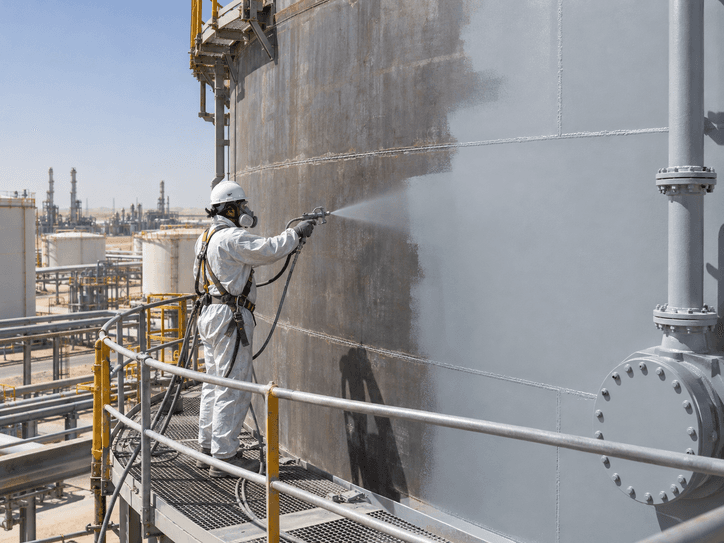
Coatings and linings
Corrosion Protection
Surface preparation and protective coatings that extend asset life.
Restore or replace?
Send photos, the tank material and what it stores. We’ll advise whether restoration, lining or replacement makes sense, then confirm on site.
Restore, reline or replace?
The inspection decides. This is how the three options usually compare.
- When it fits
- Local damage — cracks, leaks, delamination, failed nozzles or manholes
- What's done
- Damaged areas repaired and reinforced
- Downtime
- Usually the shortest of the three
- Cost
- Usually well below replacement
- Checks
- Inspection after repair
- When it fits
- Sound structure, but the inner surface is worn, leaking or attacked by the product
- What's done
- A new FRP, chemical-resistant or waterproof barrier applied inside
- Downtime
- Tank emptied, cleaned and prepared before lining
- Cost
- Usually well below replacement
- Checks
- Hardness, holiday or leak testing as applicable
- When it fits
- The structure is no longer sound, or the tank no longer suits the duty
- What's done
- A new tank designed and fabricated for the application
- Downtime
- Old tank removed and the new one installed
- Cost
- The highest of the three
- Checks
- Testing and documented handover
From inspection to handover
- 01
Condition assessment
Visual and dimensional inspection establishes the extent of damage before any work begins.
- 02
Repair method selection
Restoration, rehabilitation or lining is matched to the substrate and service conditions.
- 03
Surface preparation
The substrate is cleaned and prepared ahead of repair or lining application.
- 04
Repair or lining
Crack repair, reinforcement or lining is applied per the approved method statement.
- 05
Inspection and testing
Barcol hardness, holiday or leak testing as applicable, followed by handover.
Industries we restore tanks for
- Oil & Gas
- Petrochemical & Chemical
- Water & Wastewater
- Power & Utilities
- Manufacturing
- Construction & Infrastructure
Referenced standards
Applied as applicable to the substrate, lining system and project specification. A standard reference is not a certification claim.
Frequently asked questions
Is it cheaper to restore a tank than replace it?
In most cases restoration and lining cost significantly less than replacement, provided the structural condition allows it. A site inspection confirms whether restoration is the right route for your tank.
What causes tank leaks and cracks?
Common causes include age-related delamination, chemical attack, structural stress and nozzle or manhole seal failure. Our inspection identifies the root cause before recommending a repair method.
How is the right lining system chosen?
Lining selection depends on the stored product, substrate material, operating temperature and required service life — FRP, chemical-resistant, waterproof and steel lining are each suited to different conditions.
Can concrete tanks be rehabilitated?
Yes — Falcon rehabilitates concrete tanks through crack treatment, FRP lining, waterproofing and chemical-resistant lining, restoring them to service without full reconstruction.
Engineered to Applicable Standards & Specifications
Testing and checks are performed as applicable to the product, equipment, governing standard, manufacturer requirement and project specification. We display only certifications and service authorizations Falcon actually holds.
Ready to Start Your Next Project?
Get in touch with our engineering team for a free consultation and a tailored proposal for your site.