
Thermal Insulation
Storage Tank Insulation
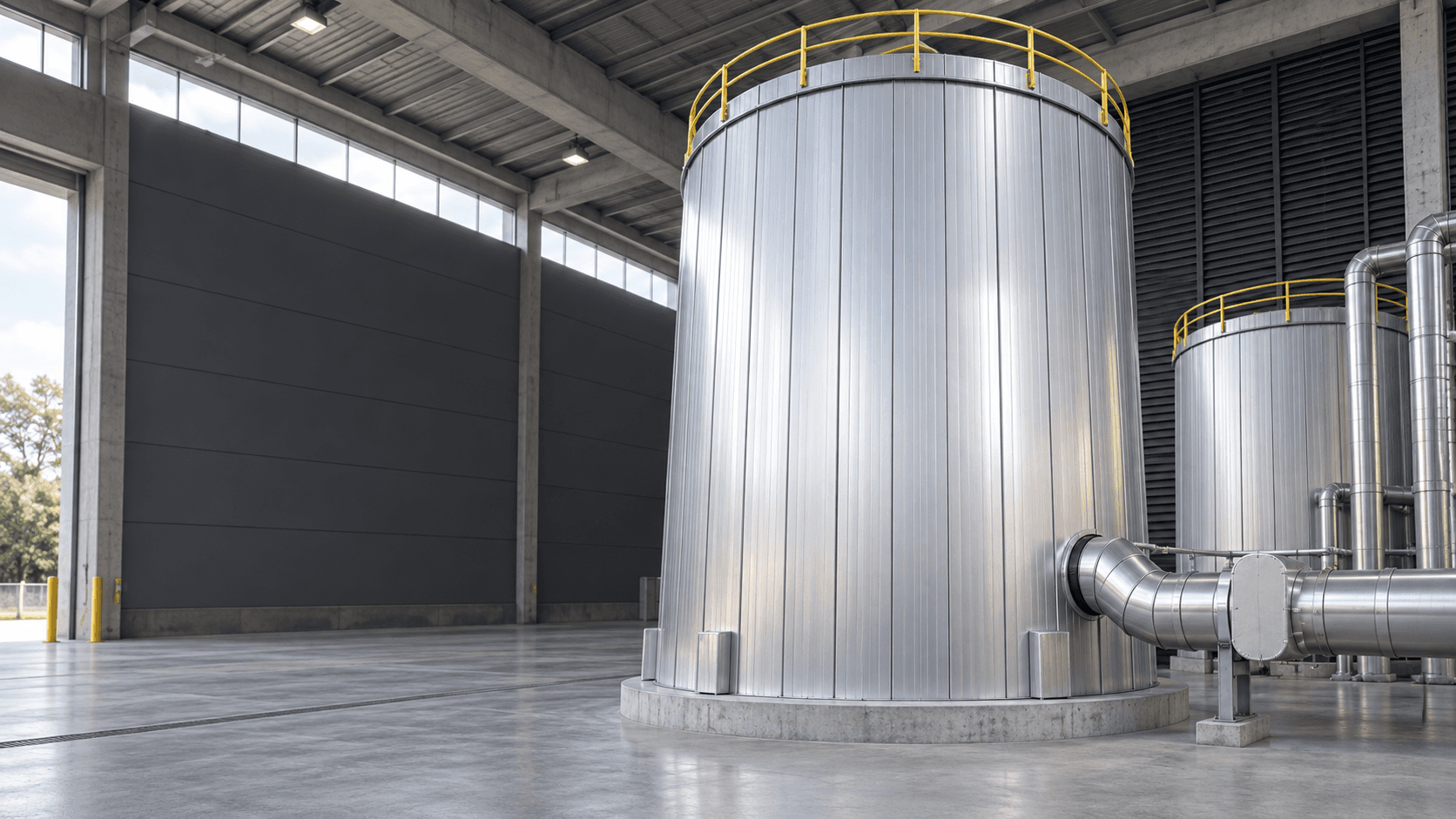
Insulation for steel, FRP/GRP, process, chemical, water and fuel tanks — less solar heat gain, steadier temperatures.
Storage Tank Insulation for Saudi Arabia's Climate
Solar heat gain can warm stored water, overheat sensitive products and add to cooling and energy costs. Insulating a storage tank reduces solar heat gain, limits product temperature fluctuation and reduces heat loss, improving energy efficiency.
Falcon applies insulation to steel tanks, FRP/GRP tanks where technically applicable, and process, chemical, water and fuel tanks — selecting the system for the tank, substrate and duty.
Actual insulation performance depends on product grade, substrate, thickness, ambient conditions, surface preparation and application conditions. Final performance shall be based on approved technical data and project requirements.
Thermal InsulationWhat We Offer
Lower solar heat gain
Insulation limits the heat a tank absorbs from the sun.
Steadier stored temperature
Less temperature swing in stored water, fuel and process liquids.
Energy efficiency
Reduced heat exchange with the environment.
New and existing tanks
Applied to new tanks or retrofitted, subject to site assessment.
Aerogel option
Thin, lightweight aerogel systems where space or weight is limited.
Documented application
Method, thickness and finish recorded at handover.
Technical Snapshot
- Tanks covered
- Steel, FRP/GRP (where technically applicable), process, chemical, water and fuel tanks
- Objectives
- Reduce solar heat gain, product temperature fluctuation and heat loss
- Systems
- Conventional and aerogel insulation, selected per tank and duty
- Substrate preparation
- Surface cleaned and prepared before application
- Finish
- Protective outer finish suited to the exposure
- Inspection
- Thickness and finish checked before handover
Where It’s Used
Referenced Standards
Applied as applicable to the product, governing standard and project specification.
How We Insulate a Tank
- 01
Assess tank and duty
Tank material, condition, exposure and target performance.
- 02
Select the insulation system
Conventional or aerogel, with thickness and finish.
- 03
Prepare and apply
Surface preparation then application per approved method.
- 04
Inspect and hand over
Thickness and finish checked and documented.
Frequently Asked Questions
Can existing tanks be insulated?
Often yes. A site assessment confirms the tank's condition, surface and access before we recommend a system.
How much will insulation reduce temperature?
It depends on product grade, thickness, ambient conditions and surface preparation, so we do not quote a fixed figure. Final performance is based on approved technical data and your project requirements.
Can FRP tanks be insulated?
Where technically applicable, yes. We confirm compatibility with the FRP substrate before recommending a system.
Ready to Start Your Next Project?
Get in touch with our engineering team for a free consultation and a tailored proposal for your site.